

Mosquito Control In your Neighborhood: Bats, Fish, and Natural Predators
By Anthony Simmons
Each spring and summer brings renewed concern about mosquitoes—and for good reason. Georgia is home to over 60 species of mosquitoes, and while only a dozen typically bother humans, some can transmit serious diseases like West Nile virus. One of the most common nuisance mosquitoes today is the Asian tiger mosquito (Aedes albopictus), a species that bites during the day and breeds in small amounts of standing water.
These mosquitoes don’t travel far—usually only 100–300 yards from where they hatched—so the conditions around your own home and neighborhood are the most important factor in controlling them. Spraying adult mosquitoes is rarely effective against day-biting species, and local governments generally cannot treat private property, especially for container-breeding mosquitoes. That means mosquito control starts at home.
Eliminate Standing Water – The First Line of Defense
Mosquitoes require water to complete their life cycle. Eggs laid in standing water can become biting adults in just 7–10 days under warm, wet conditions. Removing or emptying containers—even small ones—can significantly reduce mosquito populations around your home.
Common Mosquito Breeding Sites
Use Mosquito Dunks for Water You Can’t Eliminate
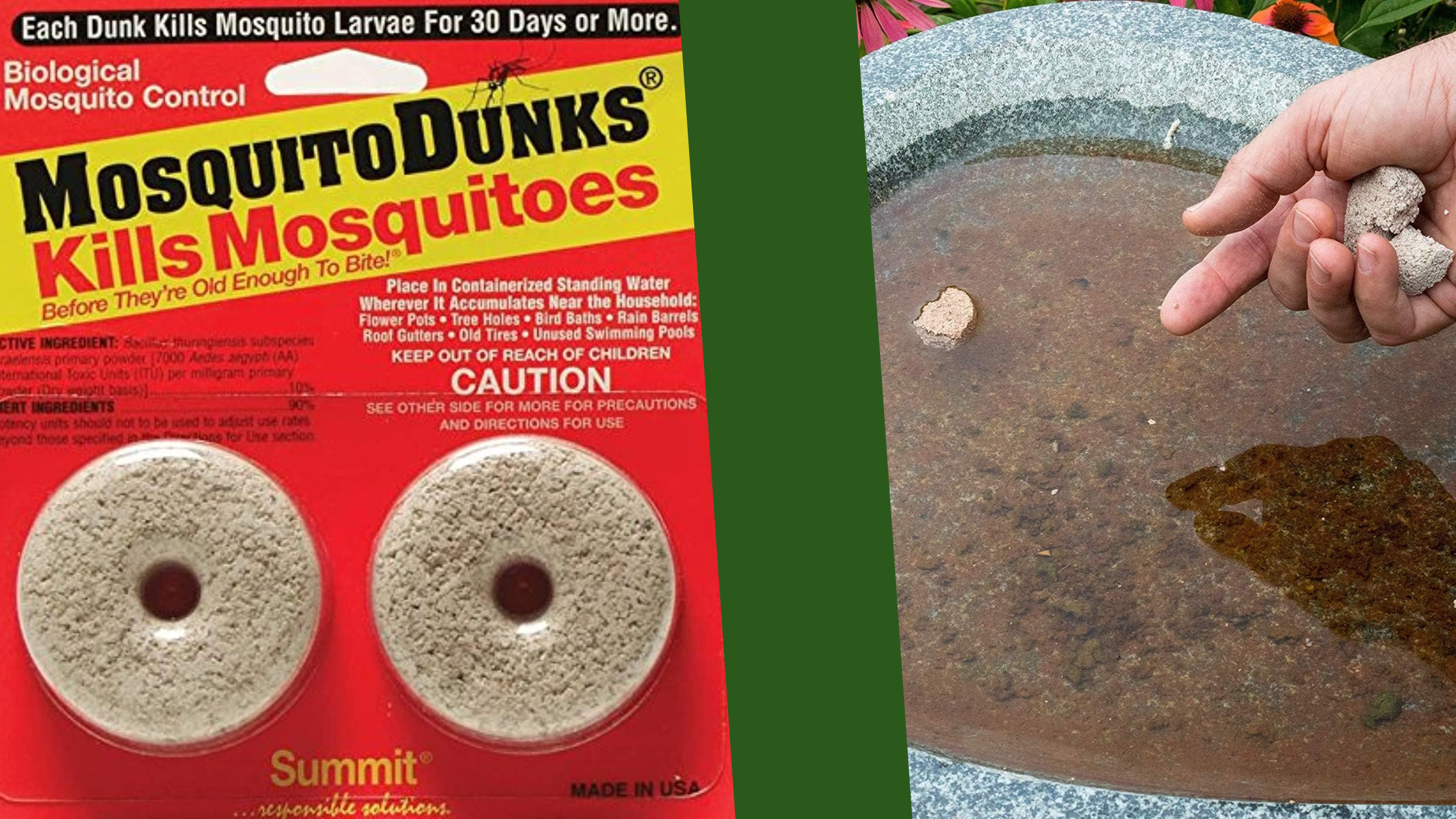
When standing water can’t be drained—like in rain barrels, sump pits, or permanent landscape features—mosquito dunks offer a simple, low-toxicity solution.
These small, donut-shaped briquettes contain a natural bacterium called Bacillus thuringiensis israelensis (Bti), which specifically targets mosquito larvae without harming people, pets, fish, or beneficial insects like dragonflies, butterflies, or bees.
Dunks float on water and slowly release Bti over 30 days
One dunk treats about 100 square feet of surface water
For small containers, break dunks into pieces to match the habitat size.
One dunk treats about 100 square feet of surface water
For small containers, break dunks into pieces to match the habitat size.
Dunks are ideal for:
Natural Control Through Habitat Design
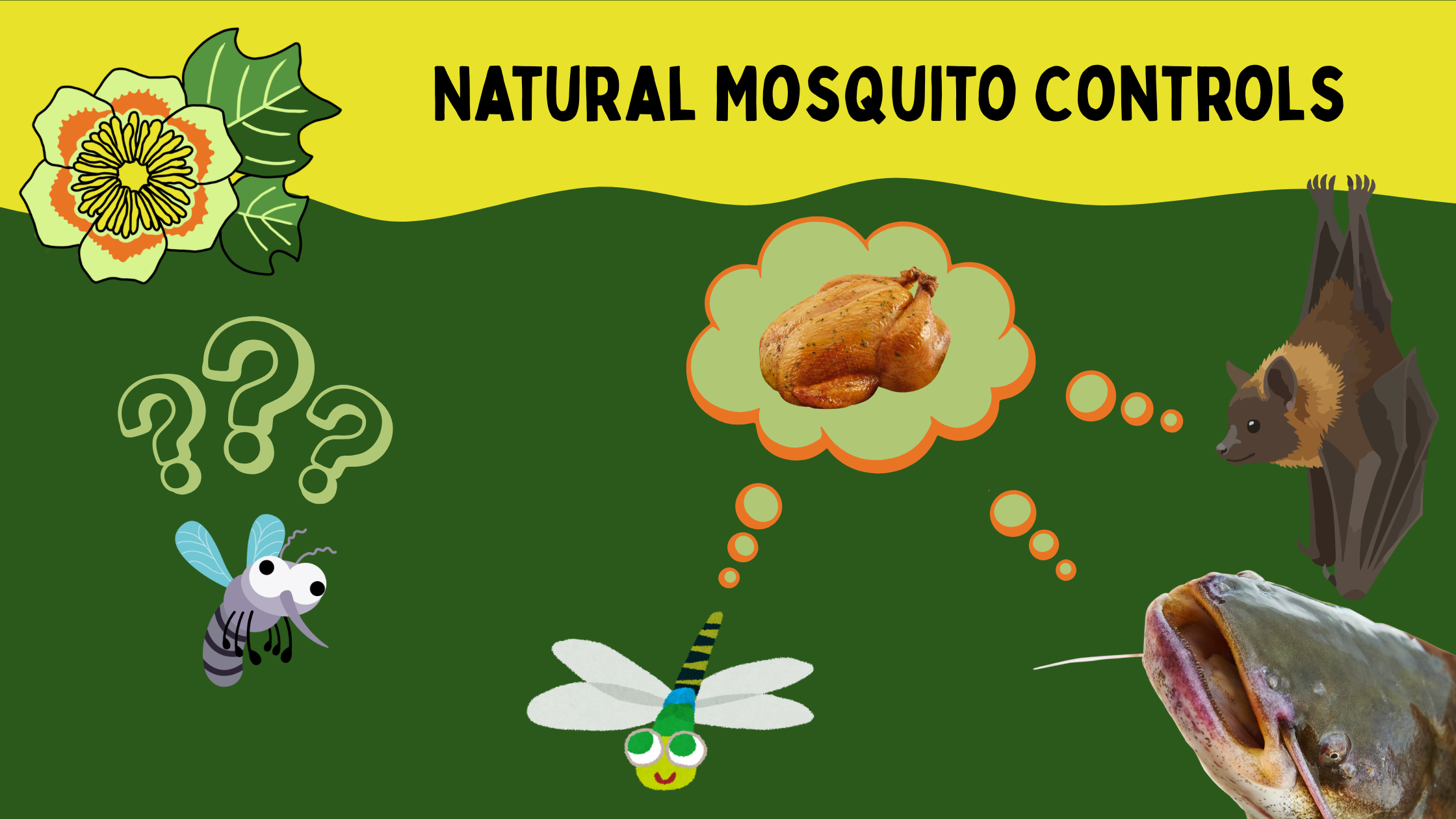
Once you’ve reduced larval habitat, consider adding natural predators to support long-term mosquito suppression.
Support Bats
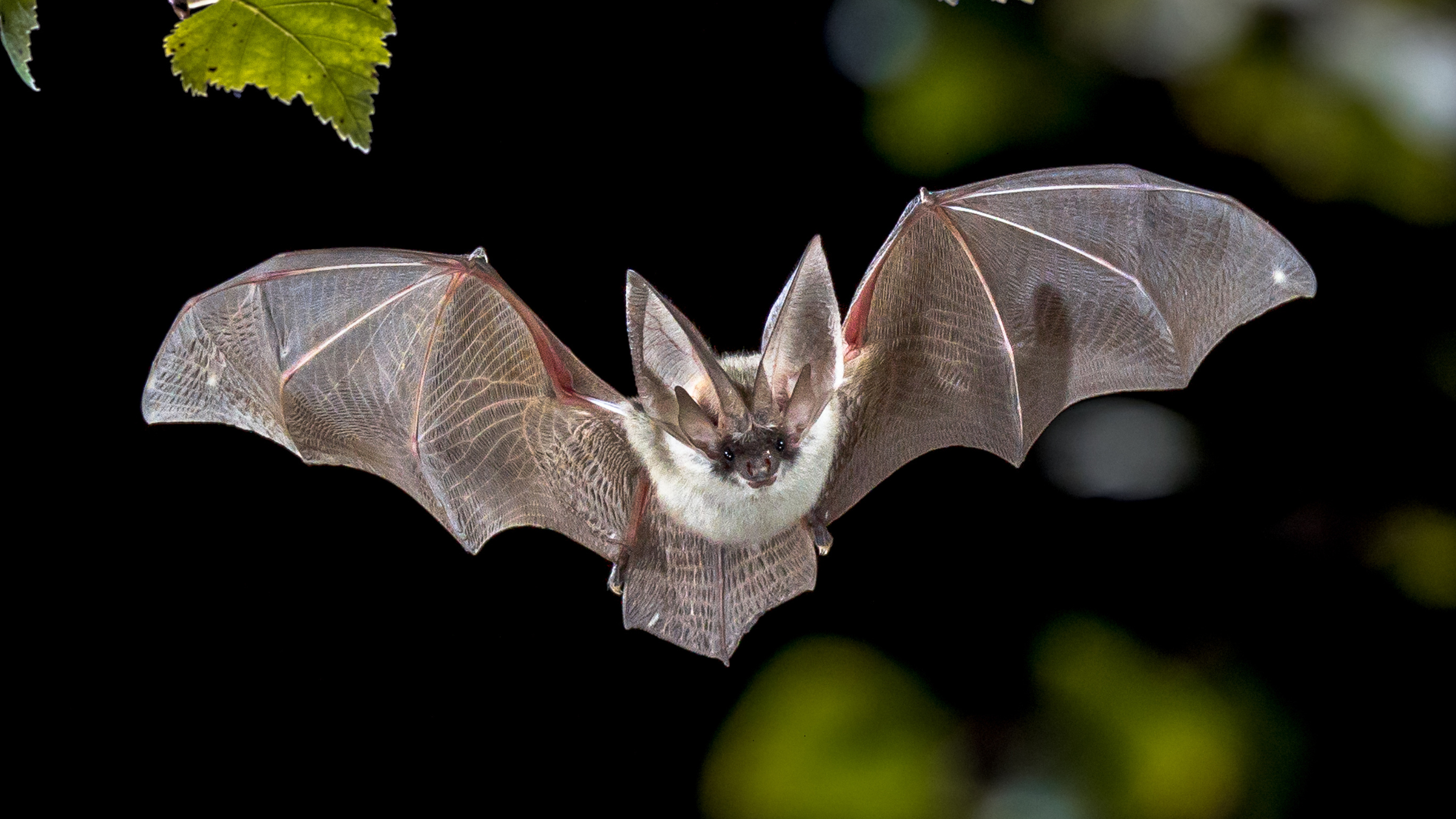
Bats are effective generalist insectivores, and while they don’t specialize in eating mosquitoes, they contribute to overall insect population control. Bats do feed on mosquitoes, but it’s important to note that mosquitoes make up a small percentage of their diet—typically less than 2%.
While installing bat boxes can support bat populations and contribute to general insect control, they should be part of a broader ecological strategy, not the sole solution. Providing safe roosting space can help bolster their presence in your area.
Bat Box Guidelines
Introduce Mosquitofish (Gambusia affinis)
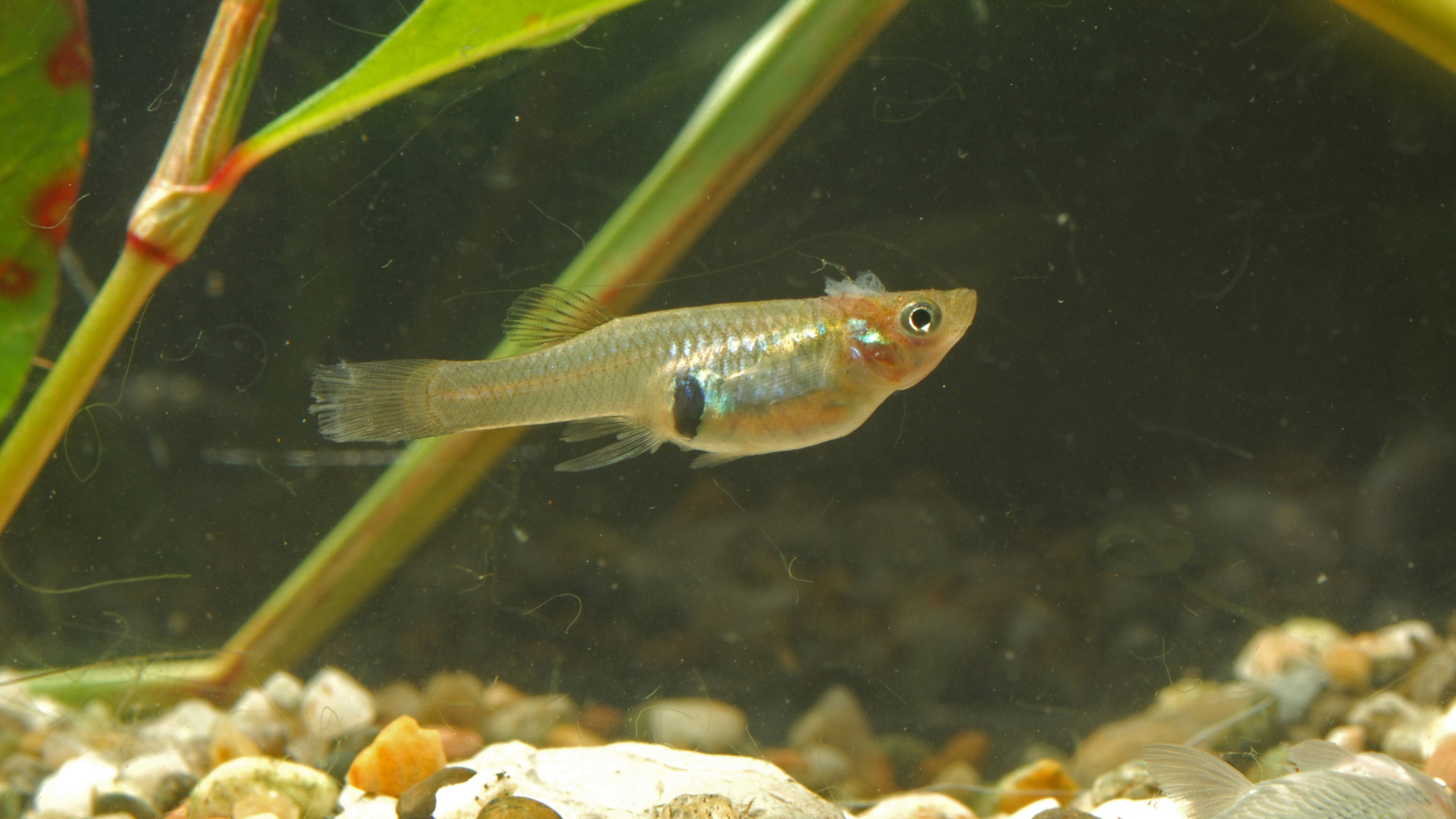
These small, native fish aggressively feed on mosquito larvae and thrive in calm, standing water. A few square feet of habitat—like a stormwater basin, drainage ditch, or decorative pond—is all they need.
However, mosquitofish should not be introduced into natural wetlands or sensitive habitats, as they may compete with or prey on native aquatic species. Use only in managed systems or artificial ponds. Consult with DNR Fisheries Office before adding.
Attract Dragonflies
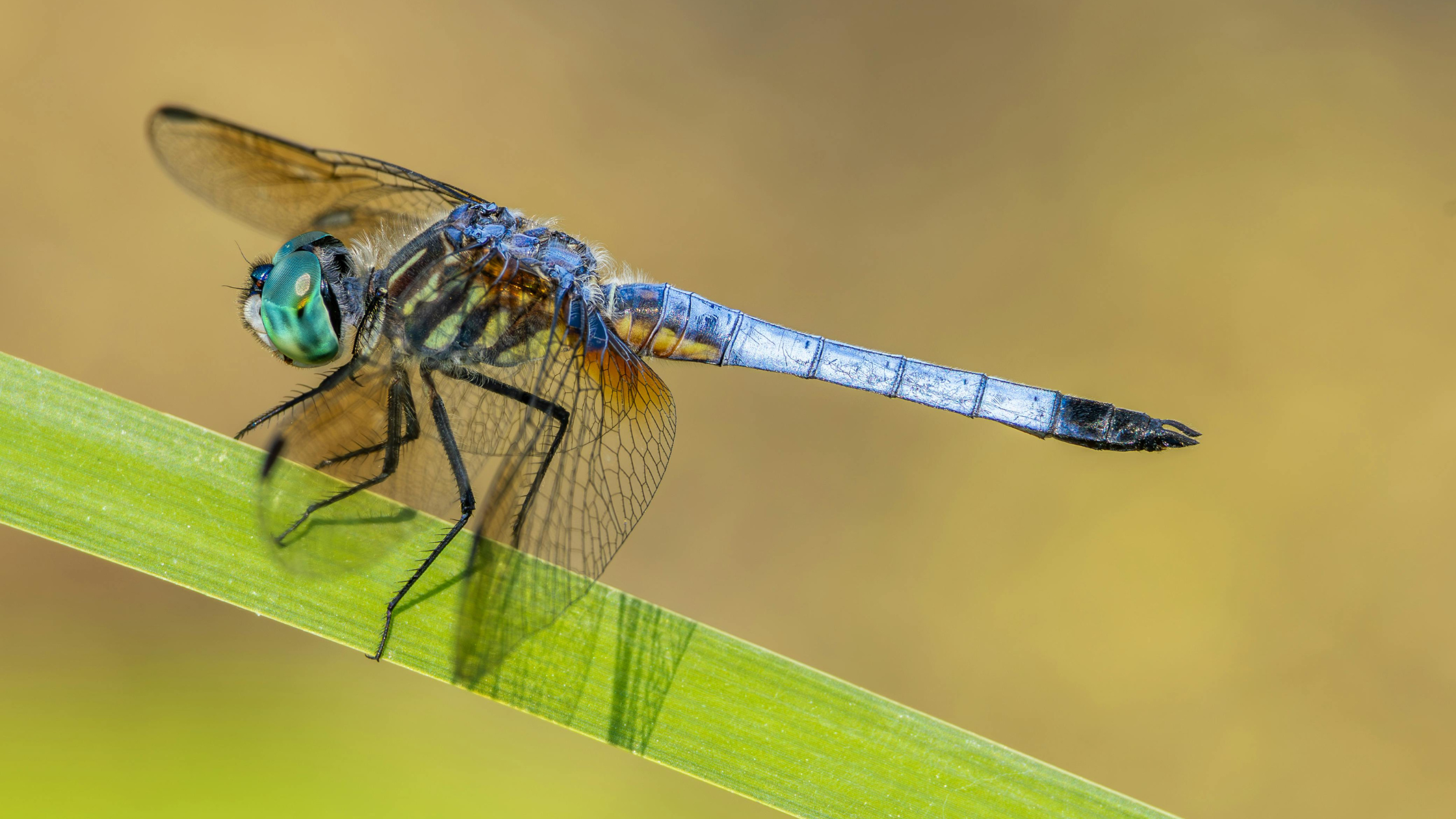
Dragonflies are highly effective mosquito predators in both larval (nymph) and adult stages (probably better than bats). They are also active when day flying mosquitoes are active.
How to Attract Dragonflies
Other Tips for Long-Term Pest Control
Avoid routine pesticide use, which can harm natural predators. Limit outdoor lighting to reduce attraction of adult insects. Preserve standing dead trees (snags) when safe—they provide natural roosting habitat for birds and bats
Encourage neighbors to join in—mosquitoes don’t respect property lines
The most effective mosquito control happens at the community scale. Chemical sprays provide only temporary relief, especially against species like Aedes albopictus that bite during the day and stay close to home.
By removing standing water, using mosquito dunks, encouraging bat and dragonfly habitat, and making use of native fish where appropriate, communities can reduce mosquito problems while supporting the broader health of Georgia’s ecosystems.
This low-impact, community-driven approach protects pollinators, wildlife, and public health—while reducing reliance on broad-spectrum spraying.


Leave a Reply